

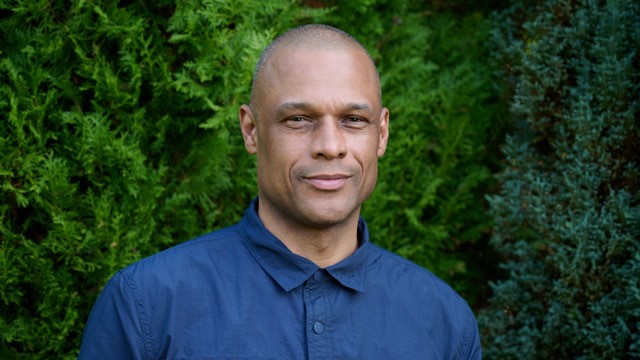
Meet Sam Perry, Recovery Counsellor at NEOVIVA
Addiction can gradually disconnect people from who they once were. Recovery is an opportunity to reconnect with yourself, others and life. Recovery Counsellor Sam Perry’s story shows what that can look like.
Some people command attention because they are extroverted. Sam is the opposite. Meet him, and you quickly notice that he is not someone who hurries to fill the silence. Quietly spoken, he has a calm presence that invites you to slow down.
Sam listens far more than he speaks. You can almost see him turning each word over in his mind before letting it go. Sometimes he pauses, searching for the right words before saying something that stays with you long after the conversation has ended.
There is a depth to Sam that is difficult to describe. Maybe it comes from more than two decades in recovery or from surviving the darkest places addiction can take a person. Whatever the reason, you soon realise you are in the presence of someone who makes other people feel deeply understood.
Seeing the person, not the addiction
Why does being seen as a person matter in addiction recovery?
During our conversation, Sam said something that stayed with me.
“Underneath we are all the same.” He said it matter-of-factly. But as our conversation deepened, it struck me as more than a throwaway comment. This is the philosophy that shapes everything he does.
Over the years, Sam has met people from every imaginable walk of life. Some have lost everything. Others appear to have it all. He knows addiction strips away the things we use to define ourselves. Status, success, wealth, and reputation mean little when someone is consumed by anger or weighed down by fear, shame, or despair. Underneath our different histories and identities, we are all simply human beings.
He meets people exactly where they are. The addiction is never the starting point. He begins with the person, seeking to understand what led them to treatment, and most importantly, what burdens they carry that no one else can see.
Sam is completely at ease with the silences that give people room to breathe. He gently encourages but always allows space for people to share their story in their own time and own way. He knows recovery cannot be rushed. It begins when someone feels safe enough to be honest.
Clients trust him almost immediately. Maybe it is because they sense he is not there to analyse or judge them by their past. With Sam, they are simply met as fellow humans.
Feeling human again
What does it mean to feel human again in recovery?
Sam’s understanding of people was never learned from a textbook. It was forged from living through addiction himself. He grew up with it all around him, and it shaped much of his early years.
Eventually, addiction led him into homelessness and a life he now acknowledges as the most painful he has known. By the age of thirty, he had reached what those in recovery call “the gift of desperation” – the moment when going on feels impossible.
“I was exhausted,” he says. “I couldn’t face waking up and living the same day again.”
His father, who had found recovery, took him to his first AA meeting.
“I never looked back,” he says.
Recovery did not change Sam’s life instantly. That first year was both the hardest and, in some ways, he says, “the most magical” he had ever experienced. Learning to live without substances was just the beginning. The greater challenge was learning to live with himself. Yet, slowly, something began to change.
“I began to feel human again,” he says.
It is a simple statement, yet it may reveal more about Sam than anything else. For him, recovery has been about so much more than stopping drugs or alcohol. He learned how to reconnect with life, with other people, and with himself.
That is why he speaks so often about compassion, acceptance, and community. It is also why he can sit beside clients without judgement. He remembers what it is like to believe you have completely lost yourself.
Looking skywards again
How can recovery help someone rediscover meaning and interest?
When Sam first got clean, his sponsor asked him a question that caught him completely off guard.
“What are you interested in?”
He didn’t have an answer.
Years of addiction had shrunk his world until survival was all that mattered. He realised he had no ambitions, no real interests, and no idea what might bring him joy.
Then, slowly, something unexpected happened. He had been spending hours on the top deck of London buses, gazing out of the window. While most people stared ahead, Sam found himself looking up.
“I liked looking at the buildings,” he says. “The cherubs, the angels… the tops of the buildings are quite different from the ground floor.”
That quiet curiosity led him to study for a degree in landscape architecture and, years later, helped him discover something deeper about himself. The work in architecture never truly matched his values.
“I realised there wasn’t a real sense of community or purpose in that work,” he reflects.
Looking back, Sam no longer sees architecture as the wrong career, but a part of understanding who he was becoming and what was important to him.
Still learning
Is addiction recovery ever completely finished?
It might be easy to think that after more than two decades in recovery, Sam sees himself as the teacher. He does not. He just as often speaks about what his clients still teach him.
He recalls recently watching three clients quietly journalling together and realising he needed to spend more time reflecting himself. He speaks with admiration about someone who found the courage to talk openly about childhood abuse after just a few weeks in treatment, something that took him eighteen years to do.
Now, after more than twenty years in recovery, he still attends meetings, meditates, reflects, and writes. He talks about recovery as something to practise for life, not something to complete.
There is no sense of hierarchy in the way Sam talks about recovery. He never puts himself above those he supports. To him, recovery is a community where people learn from each other, encourage each other, and when needed, simply show up for each other.
That belief has shaped his life far beyond NEOVIVA. Over the years, he has volunteered in prisons, visited homeless shelters, and spoken in recovery communities around the world. If you ask him why, he does not mention achievement, he simply says:
“It’s about giving back.”
For Sam, helping others is not separate from recovery. It is a part of his life.
The courage to ask
Why do recovery counsellors ask difficult questions?
Though Sam is reflective and softly spoken, he is not afraid to ask the hardest questions in the room. He knows recovery rarely starts with the first answer. He listens patiently, giving people time to speak, then, after a thoughtful pause, he asks the questions that take the conversation deeper.
His approach comes from years of learning that people often share the story they think they should before they find the courage to tell the one that is true. It is their deeper story that Sam is most interested in helping clients uncover.
He knows that people can become very skilled at explaining their lives while staying disconnected from how they truly feel. His instinct is always to look beneath the words, behaviour, and ultimately the addiction itself.
His approach is gentle, yet it never avoids difficult truths. Maybe that is why clients feel able to share things with him they have never spoken aloud before. They know he is not listening for the ‘right’ answer. He is listening without judgement for what is real.
Listening to Sam, you begin to realise his pauses are not hesitation but curiosity. Years of reflecting on his own life have taught him to slow down and sit with uncertainty. He has a natural ability to probe with the harder questions at the right moment, and usually clients respond with relief.
When shame begins to lose its power
How does being heard without judgement reduce shame?
One of the things Sam says almost in passing is that very little surprises him anymore. It is not because he has grown hardened by what he has seen. If anything, the opposite is true. Years of recovery have shown him that beneath every addiction is a person trying to cope with something painful. The circumstances of each individual may differ, but the emotions are often strikingly similar.
That understanding transforms the conversation. People no longer feel the need to explain themselves or hide the parts of their lives they are most ashamed of. With Sam, they find themselves sitting opposite someone who has no interest in judging them. In these moments, shame begins to lose its grip. The past remains, but someone has truly listened without turning away.
Helping people feel human again
What can help when you no longer feel like yourself?
Spend time with Sam and you begin to understand that his quietness is one of his greatest strengths. It creates space for people to stop performing, stop hiding and simply to be themselves.
He never puts himself at the centre of the story. He always turns the focus back to the person in front of him. What clients remember most is how Sam makes them feel: understood, and human again.
For someone who once said, “I just started to feel human again,” there can be few greater privileges than helping someone else discover that same feeling.
Frequently Asked Questions About Addiction Recovery
Sam’s story often raises questions about addiction, recovery and what treatment involves. Here are the answers to some of the questions people commonly ask.
Can addiction make someone feel as though they have lost themselves?
Yes. Addiction can gradually narrow someone’s life to using substances, recovering from their effects, or hiding what is happening. Relationships, interests, confidence and identity can fade into the background. A person may still appear to function while privately feeling disconnected from who they once were.
Is recovery only about stopping alcohol or drugs?
Stopping alcohol or drugs is essential to recovery, but it is often not the whole process. Recovery also involves rebuilding relationships, reconnecting with emotions, developing healthier coping methods, and rediscovering meaning, purpose and personal identity.
Why can shame make recovery more difficult?
Shame can make people hide, minimise what is happening, or avoid asking for help. They may believe they will be judged for what they have done or how their life has changed. Feeling listened to without judgement makes it easier to speak honestly and engage with support.
How can lived experience help a recovery counsellor?
Personal recovery experience helps a counsellor understand the fear, shame and uncertainty someone may be carrying. It creates recognition and trust. Each person’s experience is different, so careful listening and individual support remain important.
Do people need to feel completely ready before beginning treatment?
Not always. Many people begin treatment feeling frightened, uncertain or resistant. Readiness can develop through honest conversations, greater understanding and experiencing support without judgement.
About Sam Perry
Sam Perry is a Recovery Counsellor at NEOVIVA with more than 20 years of personal recovery experience. His approach is grounded in careful listening, honest conversation, community, and helping people understand what may sit beneath addictive behaviour.
You do not need to know exactly what recovery should look like before asking for help. A confidential conversation can help you understand what is happening and what kind of support may be appropriate.
Frequently Asked Questions
Can addiction make someone feel as though they have lost themselves?
Yes. Addiction can gradually narrow someone’s life to using substances, recovering from their effects, or hiding what is happening. Relationships, interests, confidence and identity can fade into the background. A person may still appear to function while privately feeling disconnected from who they once were.
Is recovery only about stopping alcohol or drugs?
Stopping alcohol or drugs is essential to recovery, but it is often not the whole process. Recovery also involves rebuilding relationships, reconnecting with emotions, developing healthier coping methods, and rediscovering meaning, purpose and personal identity.
Why can shame make recovery more difficult?
Shame can make people hide, minimise what is happening, or avoid asking for help. They may believe they will be judged for what they have done or how their life has changed. Feeling listened to without judgement makes it easier to speak honestly and engage with support.
How can lived experience help a recovery counsellor?
Personal recovery experience helps a counsellor understand the fear, shame and uncertainty someone may be carrying. It creates recognition and trust. Each person’s experience is different, so careful listening and individual support remain important.
Do people need to feel completely ready before beginning treatment?
Not always. Many people begin treatment feeling frightened, uncertain or resistant. Readiness can develop through honest conversations, greater understanding and experiencing support without judgement.
