rTMS for Addiction Treatment
At NEOVIVA, we use Repetitive Transcranial Magnetic Stimulation, or rTMS, to help with cravings and symptoms of depression or anxiety. This non-invasive treatment uses magnetic pulses and forms part of a wider treatment programme tailored to your individual needs.
What is rTMS?
rTMS is an evidence-based, non-invasive treatment that uses magnetic pulses to stimulate targeted areas of the brain involved in mood, craving and behaviour. It does not involve medication or surgery.
rTMS is not suitable for everyone. At NEOVIVA, it is used alongside psychotherapy and other elements of treatment when clinically appropriate.
How we deliver rTMS treatment
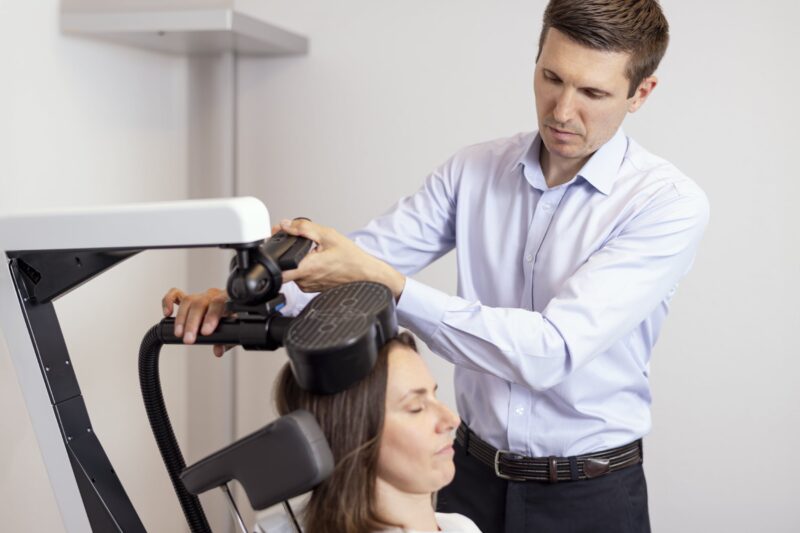
At NEOVIVA, rTMS treatment is delivered using high-quality medical equipment. We use the MagPro RX30 by MagVenture, a premier model favoured by clinics and research institutions for its advanced neuromodulation capacity.
How rTMS can support you during addiction treatment
Repeated substance use can change how the brain responds to reward, contribute to cravings, and affect impulse control and decision-making. rTMS uses pulses of magnetic stimulation to increase blood flow and targeted areas of the brain without medication or an invasive procedure. This can help lessen cravings and regulate mood over time.
Research on rTMS is promising, although results differ depending on the type of addiction, the approach used and the individual.

What happens during an rTMS session?
You sit in a chair while a trained clinician positions a magnetic coil against your scalp. You remain awake during treatment. You will hear clicking sounds and may feel a tapping sensation where the coil rests.
The session involves no surgery or anaesthesia. You can return to your normal programme activities immediately afterwards.
Your clinical team will arrange a series of sessions as part of your treatment plan.
rTMS is personalised to the individual
Our medical team assesses whether rTMS is appropriate, considering your medical history, current medication, seizure history, and stage of detoxification or withdrawal. If rTMS is recommended, the team decides when the sessions will begin. This may be later in your programme.
The medical team selects an rTMS protocol according to your clinical needs. For example, one targets cravings, while another addresses the symptoms of depression or anxiety linked to addictive behaviours. All protocols at NEOVIVA are CE-approved, complying with EU legislation.
Why we combine rTMS with psychotherapy
Reducing cravings is valuable, but addiction treatment involves more than managing the urge to use a substance. Psychotherapy and recovery counselling help you understand what drives your addictive behaviour, address contributing difficulties, and develop skills to support sustained recovery.
At NEOVIVA, rTMS supports this work as part of the relevant Programme and is not provided as a standalone intervention.
Why we use repeated sessions of rTMS at NEOVIVA
Research suggests repeated sessions are important in rTMS treatment. A 2024 systematic review and meta-analysis of 51 rTMS studies involving more than 2,400 people with substance use disorders found encouraging effects on craving and substance use, with the strongest results generally seen when multiple sessions were used.
When rTMS is recommended at NEOVIVA, it forms part of a treatment period of at least five weeks. This duration reflects our clinical approach and evidence from efficacy studies. Your clinical team determines the precise timing and number of sessions according to your needs and the selected protocol.
Frequently asked questions
About the rTMS
Is rTMS safe?
rTMS has been used clinically for many years and is generally considered safe when appropriate screening and treatment guidelines are followed.
The most common side effects include temporary discomfort at the stimulation site and mild headache. Dizziness may also occur in some cases.
Certain circumstances may make rTMS unsuitable. The medical team thoroughly reviews your medical history, current medications, and other factors before recommending treatment.
Is rTMS the same as ECT?
No. These are distinctly different treatments. Electroconvulsive therapy, or ECT, utilises a controlled electrical current to induce a therapeutic seizure and is performed under general anaesthesia.
rTMS uses magnetic pulses to stimulate targeted brain regions. It is not designed to induce a seizure, does not require general anaesthesia, and you remain awake throughout the procedure.
Does rTMS send electricity through my brain?
Unlike ECT, rTMS does not transmit an electrical current. Instead, the coil creates a magnetic field that stimulates very small electrical currents in the targeted area of the brain and influences nerve cell activity.
Can rTMS change my personality?
No. rTMS is not designed to change your personality, and this is not an expected effect. The treatment targets specific brain regions that have become dysregulated and are associated with particular symptoms or behaviours.
What does rTMS feel like?
People report feeling a tapping or tingling sensation on the scalp at the coil site, accompanied by hearing repeated clicking sounds from the equipment. Mild, temporary discomfort or headache may occur, particularly during initial sessions.
Does everyone at NEOVIVA receive rTMS?
No, rTMS is only recommended when the medical and clinical teams determine it is appropriate for the individual.
Two individuals may arrive with similar difficulties at NEOVIVA yet receive unique treatment schedules due to differences in medical history, current medications, withdrawal symptoms, and broader clinical needs.
How do you decide which rTMS protocol to use?
NEOVIVA offers different rTMS protocols: some target addiction cravings, others address symptoms of depression and anxiety. The medical and clinical teams evaluate the most significant clinical concerns and select the appropriate stimulation protocol.
Can rTMS help with alcohol addiction?
Research on rTMS for alcohol use disorder is ongoing. A major 2024 review found that repeated rTMS was associated with reductions in both alcohol craving and consumption compared to sham treatment. While individual studies have yielded mixed results, ongoing research aims to identify the most effective protocols.
For this reason, we use rTMS alongside wider alcohol addiction treatment rather than as a standalone intervention.
Can I come to NEOVIVA just for rTMS?
Is rTMS included in the cost of treatment?
Yes. If the clinical team recommends rTMS as part of your treatment at NEOVIVA, there is no additional cost.