

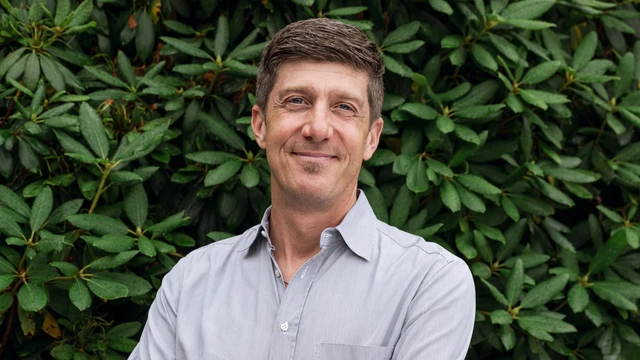
Meet Recovery Counsellor Tomaso: What Lived Experience Brings to Addiction Treatment
Meet Tomaso, and you quickly notice how easy he is to talk to. Conversations feel natural, and before long, you find yourself completely at ease. He is able to laugh at himself.
There is nothing performative about him. He doesn’t try to sound profound or pretend to have all the answers. Even after nearly fifteen years in recovery, he still says he sometimes feels like “a newcomer”. It is simply how he approaches life now.
But it wasn’t always this way. Tomaso knows how scary it can be to ask for help. For years, he tried to juggle being a husband, father and professional while addiction slowly took over his life. For a long time, he told himself he didn’t really have a problem.
The Tomaso you meet today is very different from the man who once thought he had everything under control.
I knew everything
Why do so many people with addiction believe they can cope alone?
Tomaso talks about his past with a surprising kindness. There is no anger or self-pity when he remembers his addiction or the mistakes he made. Now, he smiles when he thinks about how he once truly believed he could handle everything alone.
“I always thought I was self-sufficient,” he says. “I knew everything.”
“It wasn’t true, of course,” he adds. Now, he laughs at himself. He isn’t embarrassed; he just feels affection for the man who once thought he had everything figured out.
For years, he believed asking for help was something only other people did. He ignored advice, convinced himself he could manage, and tried to stay in control, even as addiction gradually took over his life. Now, he sees how exhausting that self-reliance really was.
“Being in recovery taught me to listen,” he says. “Not just to other people, but to myself.”
For Tomaso, recovery also meant letting go of the idea that he had to face everything on his own. Gradually, he realised that real strength didn’t come from having all the answers. It came from staying open, listening and learning from others.
When the mask came down
Why is honesty often the turning point in recovery?
At the height of his addiction, Tomaso became skilled at downplaying what was really going on. He describes those years in a few words:
“I was leading two different lives.”
When his partner became pregnant, Tomaso moved back to Italy, hoping to build a stable family life. He knew he needed to change and tried to do something about it. Looking back, he sees he was trying to recover for others, not for himself.
“It wasn’t the right time,” he says. “I just wasn’t ready to start a new way of living.”
His addiction continued for another ten years as he tried to balance two lives: wanting to be a husband and father but still wanting to use. He always found reasons to believe things weren’t that bad or promised himself he’d change tomorrow. Eventually, the burden became impossible to ignore.
“I had this very bad feeling coming up,” he recalls. “Something bad was going to happen. Something there would be no return from, like an accident or a heart attack.”
As his dread grew, so did his guilt and shame. These feelings became too much to carry alone. Eventually, pretending everything was fine became harder than being honest.
“Finally, I involved the people around me in my pain and suffering,” he says. “I told them exactly what was going on.”
It was the first time he stopped hiding behind the image he wanted others to see.
“The mask went down,” he says. “It was such a freeing moment.”
His problems did not go away overnight. But in that moment, something fundamental changed. Tomaso no longer felt trapped by the version of himself he tried to protect.
“I started to feel a connection to the people around me,” he says. “From there on, that’s how I started to live.”
Finding hope
Why is connection so important in recovery?
That first real connection changed how Tomaso thought about recovery and life. For years, he believed strength meant coping alone. Through Narcotics Anonymous, he learned something very different.
He sees that as the real beginning of his recovery. For the first time, perhaps ever, he was surrounded by people who understood what he was going through because they had lived it themselves.
The fellowship soon became more than just a place for meetings. It turned into a community where people from all backgrounds shared their stories honestly, supported each other without judgement and showed Tomaso that he didn’t have to figure out recovery alone.
“They taught me that we can achieve things together that we thought were unreachable.”
As weeks passed and turned into months, something else started to change.
“I was picking up enthusiasm month after month,” he says. “I realised I could become the person I wanted to be.”
When you listen to Tomaso now, it is hard to picture him as someone who once thought he knew everything. Nearly fifteen years into recovery, he still attends meetings and looks forward to seeing the people he warmly calls his friends.
“I always come away from conversations with some wisdom I didn’t have before.”
Today, Tomaso is grateful for how recovery has opened up his life. It has given him a version of himself he never thought he would meet.
Opening up to life
How can recovery change the way you experience life?
Recovery changed what Tomaso believed was possible for himself. Years ago, he never would have imagined going to a yoga class. Now, it is one of the ways he stays connected to himself.
“I never thought I would enjoy that,” he admits, smiling and shaking his head at how unlikely it would have sounded to his younger self.
The man who once thought he knew everything now enjoys discovering things he never expected to love. These days, that means hiking, sports, or just being in nature. Recovery has helped Tomaso leave one life behind and open the door to another.
You have something to give
What does lived experience bring to addiction treatment?
If you ask Tomaso what he brings to supporting others in recovery, he’ll tell you it starts with being himself and sharing what his own experience has taught him. Even before joining NEOVIVA, people naturally turned to Tomaso. While continuing to work in the textile industry, he got more involved in Narcotics Anonymous, sponsoring others and supporting newcomers. Helping others never felt like work; it just became part of who he was.
What Tomaso didn’t realise was that others had started to notice. Oliver Neubert, Founder and Chairman of NEOVIVA, saw Tomaso’s natural ability to listen and connect with people at NA meetings. He noticed the qualities that Tomaso had never really seen in himself.
Oliver told Tomaso, “I think you’d be really good at this. The important thing is to be yourself and give your experience.”
Before that, Tomaso had not really thought about becoming a Recovery Counsellor. He didn’t see listening, encouraging others, and sharing his story as strengths. But he realised Oliver wasn’t asking him to change; he was seeing the person recovery had helped him become.
Now, Tomaso works with NEOVIVA’s psychologists, doctors and therapists, bringing his lived experience to the team. He values learning from colleagues with different backgrounds and offers something just as important in return: the understanding that comes from living through addiction and recovery.
This journey has taught Tomaso that everyone has something to learn. Oliver also helped him see something just as important when he said:
“You have something to give.”
What people need most
What do people need most when they first seek help for addiction?
One of the first things Tomaso notices when someone arrives at NEOVIVA is their fear. He recognises it right away because he remembers feeling it himself.
“I know how scary it is,” he says. “You think you’re the only one.”
He knows that most people don’t come in needing someone to tell them what to do. What they really need is someone to listen without judgement, to understand what they’re going through, and help them believe they’re not alone.
Having experienced the relief of finally telling the truth, Tomaso never underestimates how much courage that first conversation takes, or how tough the first weeks in recovery can be.
“I had people around me who gave me hope,” he says. “Now I can pass that on to someone else. People must feel safe so they can let down their guard.”
For Tomaso, those moments never feel routine. Recently, a client told him that hearing Tomaso’s story gave him hope. For the first time, the client saw someone who understood where he was and where recovery could lead.
Tomaso believes people rarely need someone to solve their problems. What they really need is space, support, and trust so they can start finding their own answers.
Final reflections
If there is one principle that guides Tomaso’s work, it is honesty.
He speaks with an honesty that is refreshingly uncomplicated, maybe because he no longer feels he needs to have all the answers. Nearly fifteen years after asking for help, he still attends NA meetings. He laughs kindly at how certain he used to be. Now, he believes every conversation has something to offer.
At NEOVIVA, he values working with psychologists, doctors and psychotherapists, each bringing their own perspective. He believes recovery is strongest when people learn from each other, including the team supporting every client.
Today, he brings that same openness to every conversation, helping people believe a new way of living is possible.
“In the past, I saw my addiction as something purely negative. Today, I see it differently. It led me to discover beautiful things about myself, about the world and about life.”
He quietly shares this belief with everyone who comes through NEOVIVA’s doors.
Now, to anyone reading this and thinking about their own situation or that of a family member or someone close, Tomaso says, “It is scary, but pick up the phone. Speak to us. You don’t have to make any decisions about treatment. The first step is speaking to someone who understands.”
Frequently Asked Questions
What does a Recovery Counsellor do at NEOVIVA?
Recovery Counsellors support clients throughout their stay at NEOVIVA, collaborating with psychologists, doctors and therapists. They spend time with clients, share meals, join activities and participate in group sessions. This consistent presence allows them to offer support during challenges and help clients apply what they are learning.
For Tomaso, the role begins with listening. He recognises that clients do not always need solutions; often they need to feel understood, supported, and safe enough to speak openly about their experiences.
How is a Recovery Counsellor different from a therapist?
While therapy occurs in structured sessions, Recovery Counsellors support clients throughout daily life at NEOVIVA. Many hold qualifications in counselling and addiction, but their primary role is to assist clients with everyday experiences and guide them through challenges as they occur.
They walk alongside clients throughout treatment. Tomaso draws on his own experience of addiction and recovery, sharing insights when it may help clients feel understood or see that another way forward is possible.
What does lived experience bring to addiction treatment?
Lived experience offers a unique perspective in addiction treatment. A Recovery Counsellor who has personally faced addiction and recovery may better recognise the fear, shame and uncertainty clients experience, as well as the challenges of making changes in everyday life.
Tomaso’s own recovery helps him understand the difficulty of seeking help and the powerful impact of realising you are not alone.
